

Vending machines can be a great business, but many new operators discover something important after setting up their first machine. It’s not the machine that makes money—it’s the products inside.
Customers still buy classic snacks, but they also want more variety, better quality, easy payment options, and some healthier choices. If your selection seems outdated, sales may slowly drop. When your products match the location, people are more likely to keep coming back.
At ASI, we know a vending route can be a steady source of extra income when you have the right equipment, good planning, and smart product choices. This means looking beyond just the cheapest options and thinking like your customers: what sells fast, what stays too long, and what makes people choose your machine over another nearby one.
Start With the Location, Not the Catalog
Before you buy inventory, take a close look at where your machine will be placed. The same products won’t sell the same way everywhere. The location shapes what people want.
That’s why choosing your equipment and products should go hand in hand. A reliable machine from ASI’s snack vending machines can help you make sales, but real success comes from stocking items that fit the people who use that location every day.
Schools
Schools often require more planning because vending products may need to meet nutrition rules or district guidelines. The USDA Smart Snacks in School standards apply to foods sold to students during the school day, including vending machine items.
This doesn’t mean school vending has to be boring. It just means operators should watch portion sizes, drink choices, snack ingredients, and local rules before stocking up.
Gyms and Fitness Centers
Gyms are places where people have specific goals. Customers often want hydration, protein, energy, or something quick after a workout.
Good options may include:
- Protein bars
- Electrolyte drinks
- Bottled water
- Low-sugar beverages
- Trail mix or nut-based snacks
- Better-for-you chips or crisps
The main idea is to match what customers want. After a workout, a machine with only candy and soda probably won’t feel right.
Offices and Workplaces
Offices are focused on convenience, quick energy, and easy breaks. Employees might want something fast between meetings, during a long shift, or if they forgot their lunch.
Strong office options may include:
- Premium coffee or tea options
- Sparkling water
- Meal replacement bars
- Chips and salty snacks
- Chocolate and candy classics
- Grab-and-go breakfast items
- Better-for-you snack alternatives
In workplaces with different needs, combo vending machines let you offer snacks and drinks in one spot. This is helpful when space is tight, but people want different things.
Choose Inventory Sources That Protect Your Margins
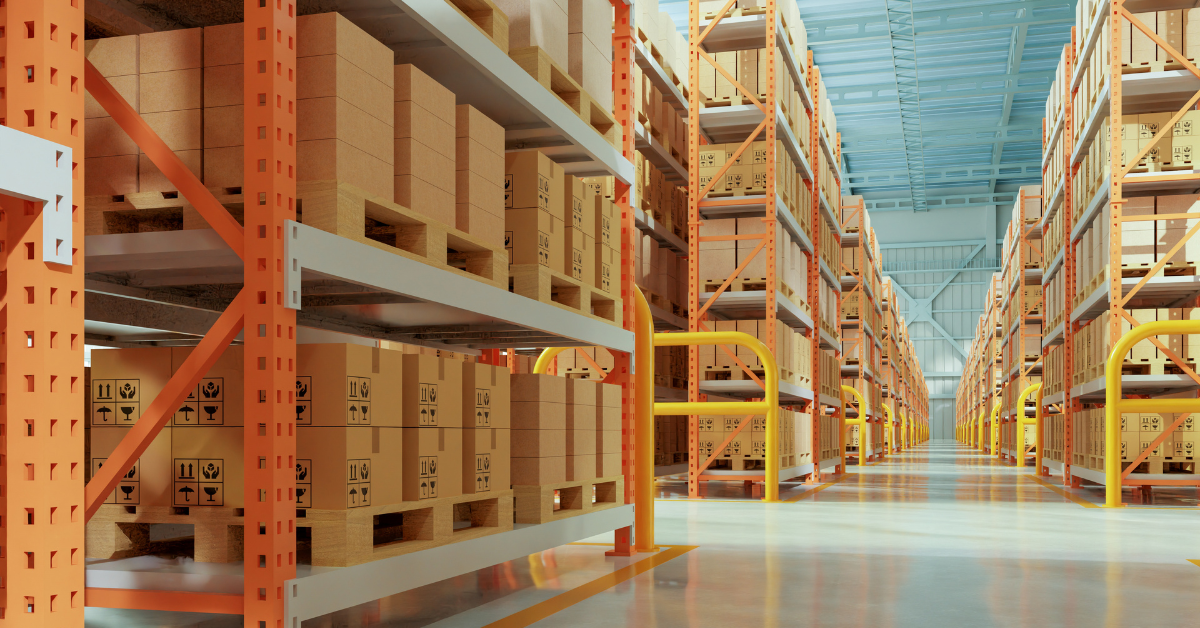
Successful vending operators don’t stick to just one supplier. They mix different sources based on price, availability, product type, and customer preferences.
Wholesale Clubs and Distributors
Wholesale clubs and distributors are useful for high-volume products that sell consistently. These are often the familiar brands customers already know and trust.
Buying in bulk can help your profits, but only if the products actually sell. A low price per item doesn’t help if half the box expires or sits in the machine for weeks.
Local Suppliers
Working with local bakeries, drink makers, snack brands, or specialty food vendors can help your machine stand out. A unique local product can make your machine feel special instead of generic.
This works especially well in offices, hotels, community spaces, and high-end locations where people might pay a bit more for something fresh or different.
Specialty and Better-for-You Vendors
People’s snacking habits are changing, with more focus on health, new flavors, and innovation. Circana research shows that health-conscious choices and new tastes are shaping the snack market.
For vending operators, this doesn’t mean you need to replace every classic snack. It just means making space for options like:
- Gluten-free snacks
- Vegan snacks
- Low-sugar items
- Plant-based snacks
- Protein-focused products
- Organic or natural snack options
- Unique flavors customers may not find everywhere
A balanced machine usually performs better than one that offers only one type of product. Keep your best sellers, but try out new options carefully.
Online Marketplaces
Online marketplaces are good for comparing prices, finding unique products, and making quick reorders. They also let you try new categories without placing a large distributor order right away.
Just be careful with shipping costs, expiration dates, package condition, and how much you order. A product that seems like a good deal online might not be profitable once you add in fees and spoilage.
Track What Sells Before You Buy More
The most profitable operators aren’t always better at guessing. They’re just better at paying attention.
Tracking your inventory helps you see what’s really working. Check which products sell fast, which ones make good profits, and which need to be replaced.
Run a Simple Product Test
Before committing to a large order, run a small test:
- Add a few new products to the machine.
- Track sales for two to four weeks.
- Compare movement against your regular products.
- Reorder the winners.
- Remove slow sellers before they tie up more cash.
This simple habit can help you save money and cut down on waste. It also lets you build your product mix based on what customers actually buy, not just guesses.
Balance Classics With New Choices
Classic vending products are still important. Chips, candy, cookies, soda, and bottled drinks continue to sell well because people know and trust them.
The mistake is relying only on classics and never updating your selection.
Modern vending works best when you offer a good balance of products, such as:
- Familiar best sellers
- Healthier alternatives
- Premium items
- Seasonal products
- Hydration options
- Location-specific favorites
The vending industry is also becoming more connected to other convenience services. The NAMA industry census shows that vending, micro markets, office coffee, and pantry services are evolving, underscoring how important product variety and workplace convenience are now.
Make Sure the Machine Fits the Product
Your sourcing plan only works if your equipment can handle what you want to sell. Some products need refrigeration, some need the right coil size, some need to be easy to see, and others work better with cashless payments or modern controls.
This is where the machine matters.
ASI’s refurbished vending machines can help you reduce equipment costs while still delivering a professional, reliable experience. The right refurbished machine can free up your budget for better inventory, a nicer display, and better route planning.
Product Fit Questions to Ask
Before adding a new product, ask:
- Will it fit the tray or coil properly?
- Does it need refrigeration?
- Is the packaging strong enough for vending?
- Does the price point make sense for this location?
- Will customers understand the product quickly?
- Can the machine display it clearly?
- Does the item support healthy margins?
A product might sell well in a store but not work in a vending machine. Packaging, size, temperature, and customer expectations all make a difference.
Take the Next Step
Different places need different product mixes. When you know your location, track what sells, and pick equipment that fits your plan, your vending business is in a much better position to grow.
When you’re ready to improve your product strategy and build a smarter vending route, contact ASI to explore equipment options that fit your products, your location, and your long-term goals.