
Smart coolers combine refrigerated merchandising with technology that simplifies unattended purchasing and day-to-day management. For operators, the key question isn't whether a cooler is labeled “smart.” It is whether its features improve the customer experience, provide useful operational information, and fit the way the location will actually be serviced.
Businesses exploring this equipment can start by reviewing BRITE by ASI™ Smart Coolers and comparing the capabilities that matter most to their operation.
What Makes a Smart Cooler Different?
A smart cooler goes beyond basic refrigeration. Depending on the system, technology may support digital payments, product recognition, sales tracking, temperature monitoring, and remote management.
The goal isn't just to add technology, but to give operators tools that make daily decisions easier and more reliable.
1. A Simple Customer Checkout Experience
Unattended retail should be easy to understand.
Some smart-cooler systems let customers present a payment method, open the cooler, select products, and complete transactions smoothly, making the process less stressful for busy environments.
2. Better Operational Visibility
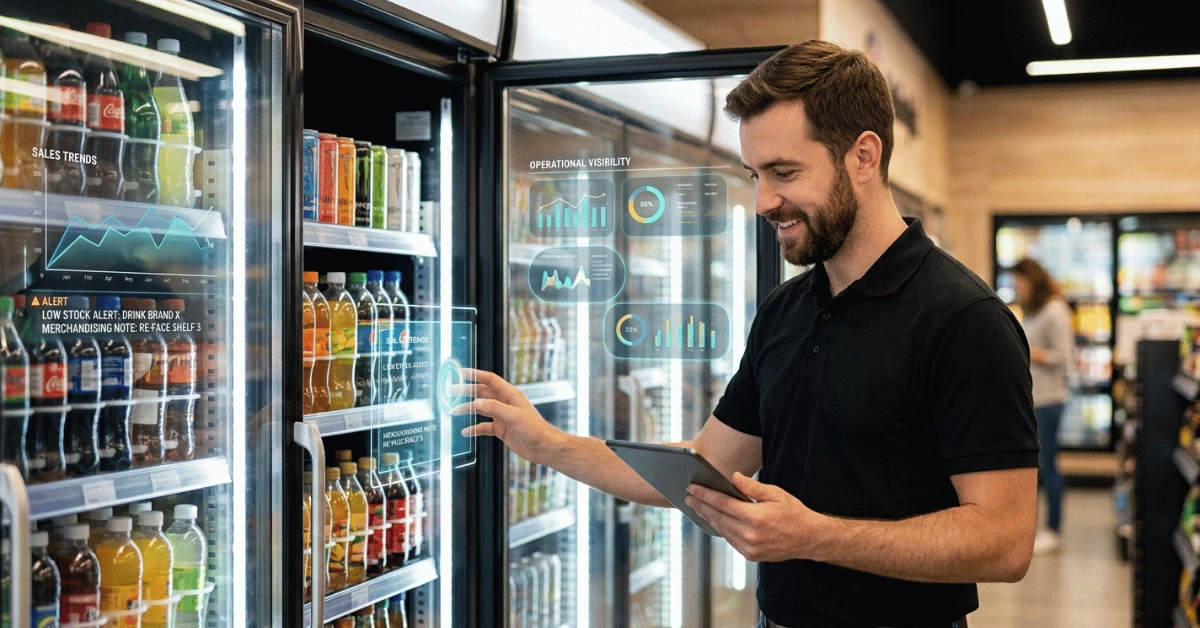
Connected equipment can provide operators with information that would otherwise require an on-site visit.
Sales activity, merchandising information, alerts, and other system data can help answer practical questions about what needs attention and when. ASI explains this operational role further in Smart Cooler Monitoring: Stay Connected With BRITE by ASI™.
Technology does not eliminate routine service. It can help operators prioritize it.
3. Refrigeration and Temperature Management
When refrigerated foods are involved, temperature control deserves careful attention.
Operators should understand how a cooler monitors temperature conditions, communicates problems, and responds when refrigeration falls outside acceptable operating conditions. Food-safety procedures, product handling, inspections, and applicable local regulations remain essential.
4. Reliable Connectivity and System Security
Connected retail equipment depends on reliable networks and cybersecurity, ensuring operators can trust the system's safety and stability.
Before deployment, ask how the equipment connects, how software is updated, what information is collected, and what security support is available.
5. Equipment That Fits the Operation
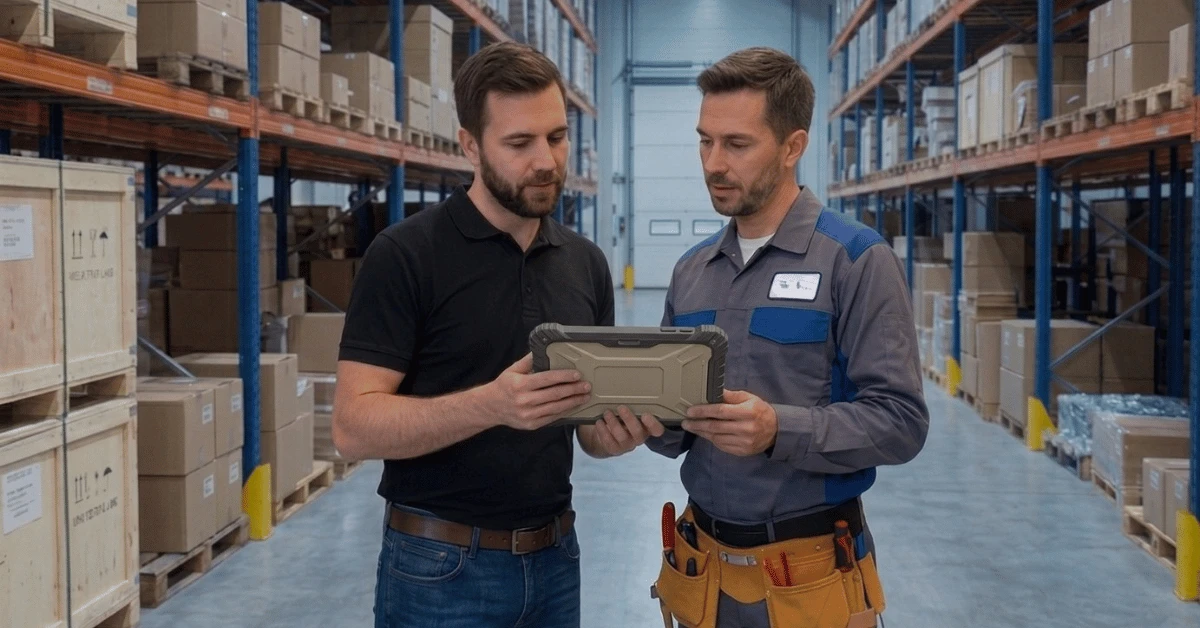
A smart cooler still has to fit the physical location, product mix, available space, service schedule, and business model.
Compare cabinet dimensions, capacity, refrigeration requirements, accessibility, and service needs before selecting equipment. Reviewing available coolers and freezers helps operators compare refrigeration options rather than choosing based on technology alone.
Take the Next Step
The most valuable smart-cooler features solve real operating problems. Easy purchasing, useful information, reliable refrigeration, secure connectivity, and practical serviceability together.
Before choosing a smart cooler, identify the customer experience, products, monitoring capabilities, and servicing requirements your location actually needs. ASI can help you compare equipment without overlooking the operational details that matter after installation. Contact ASI
People Also Ask
Are smart coolers the same as traditional vending machines?
Not exactly. Traditional vending typically dispenses one selected product at a time. Smart coolers may allow customers to access multiple products directly while technology handles purchase identification and payment.
Do smart coolers eliminate operator visits?
No. Operators still need to stock, clean, inspect, maintain, and service equipment. Connected technology can improve visibility but does not replace responsible on-site operations.