
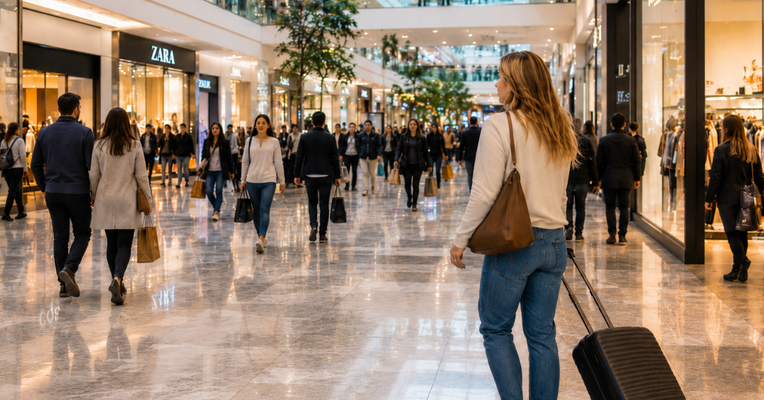
A vending machine can have great products, fair pricing, and reliable payment options, but none of that matters if people walk past it without noticing.
This is why vending machine marketing begins before a customer even interacts with the machine. It begins with making the machine visible, matching it to the location, presenting products well, and choosing equipment that suits the space. A machine should do more than just be there—it needs to catch people’s attention in those first few seconds when they decide whether to stop and make a purchase.
For operators, this means the machine itself is part of the sales strategy. Choosing the right spot and the right equipment can turn regular foot traffic into real customer interest.
Why Attention Matters in Vending Machine Marketing
Vending is often a quick-decision purchase. People are moving between shifts, classes, appointments, errands, or breaks. They are not always searching for a snack or drink, but the right machine in the right setting can remind them that one is nearby.
That is where attention becomes valuable.
Marketing research shows that attention is a key factor in how people interact with brands and make purchases. Nielsen’s attention measurement research highlights the importance of knowing what people actually notice, not just what they see. In vending, this means a machine in a hidden corner might be technically available, but it probably is not doing enough to encourage sales.
A stronger vending setup should answer three questions quickly:
Can people see it?
People should be able to see the machine easily from where they walk. If customers have to look for it, you might miss the chance to make a sale.
Does it fit the setting?
Offices, schools, warehouses, hotels, gyms, and hospitals all have different types of people and traffic patterns. Choosing a machine that fits the environment is one of the most important decisions an operator can make.
Does it look worth stopping for?
A clean machine, easy-to-see products, organized choices, good lighting, and up-to-date payment options all help customers feel confident before they buy.
Better Marketing Starts With Better Placement
A vending machine does not have to stand out loudly, but it should be placed where people already want snacks or drinks.
High-traffic areas are useful, but traffic alone is not enough. A strong vending location should also have repeat users, limited nearby alternatives, and a reason for people to want quick access to snacks, drinks, or fresh options. ASI covers this in more detail in How to Match the Right Vending Machine to the Right Location, which focuses on choosing equipment for the location first.
This is an important change in thinking. Rather than asking, “What machine do I want to buy?” operators should ask, “What do people at this location need to notice?”
For example, a compact combo machine may be a smart fit in a smaller office where space is limited. A larger beverage or snack machine may work better in a busy warehouse breakroom. A smart cooler may make more sense in a modern workplace, hotel, or micro-market setting where customers expect a faster self-service experience.
Product Visibility Is Part of the Sale
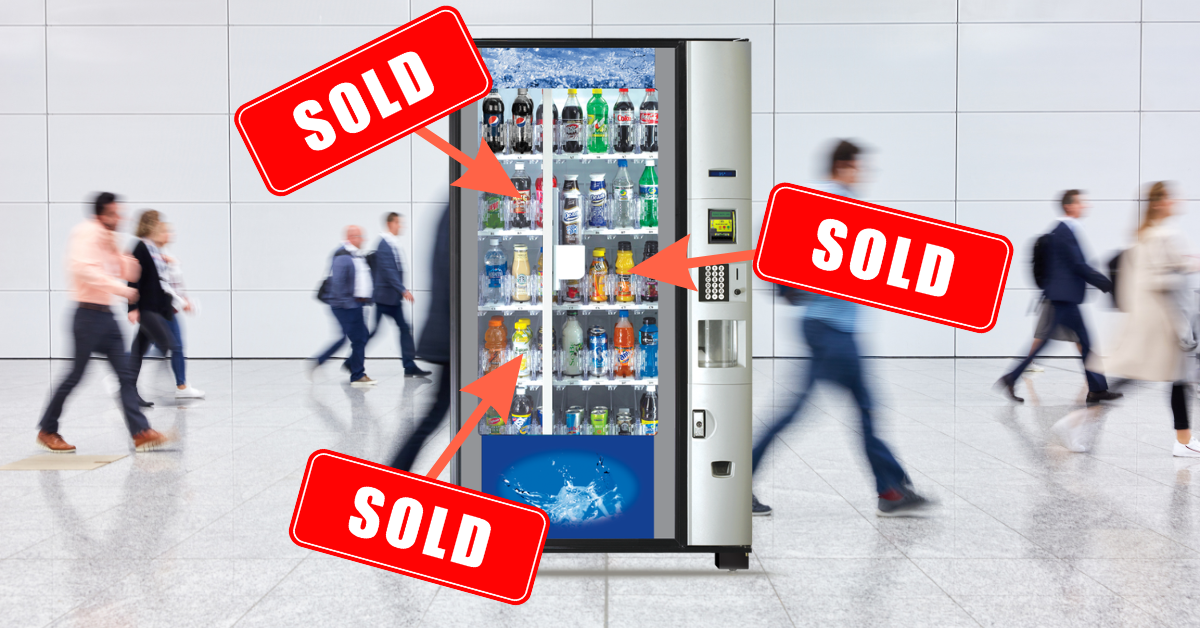
Before someone buys, they usually want to see what is available.
This is why merchandising is a big part of vending machine marketing. Arranging products well, making packaging easy to see, keeping rows stocked, and having clear choices all help customers decide quickly. If a machine looks empty, dark, messy, or old, people might hesitate, even if the products are good.
Retail research backs this up. POPAI’s studies show that point-of-purchase strategies and displays affect how people shop. For vending operators, the takeaway is clear: how the machine looks matters because it serves as both the store and the display.
A strong vending presentation usually includes:
Clear product variety
Customers should quickly understand whether the machine offers snacks, beverages, fresh food, frozen items, or a mix.
Easy decision-making
Visible products, readable labels, and clean selection windows reduce friction.
Consistent restocking
A machine that looks well cared for builds more trust than one with empty slots or products that are not rotated.
Equipment that supports the offer
Not every product mix works in every machine. The cabinet, display, temperature control, size, and payment options should all make buying easy for customers.
Operators browsing equipment can compare available machine types through ASI’s full vending equipment selection to better understand what options fit different customer environments.
The Machine Has to Match the Moment
A good vending machine stands out because it fits well in its location.
Think about the difference between a warehouse and a hotel lobby. In a warehouse, employees may want fast access to snacks, cold drinks, and reliable service during short breaks. In a hotel, guests may respond more to clean design, convenient placement, and a polished self-service experience. In a school or office, product mix and machine footprint may matter more than size alone.
This is where marketing and equipment choices come together. A machine that fits the situation feels helpful rather than out of place.
Operators considering space-saving snack-and-drink options can explore combo vending machines, which are often useful when a location needs variety but lacks space for multiple full-size units.
Modern Customers Expect Convenience
People today expect quick transactions, clear choices, and easy checkouts. They want the same experience when using a vending machine.
Think with Google’s retail insights often show that shoppers expect convenience at every step. In vending, convenience is part of the product. If someone sees the machine but cannot pay easily, cannot find what they want, or is unsure about its condition, they might not buy it.
That is why a good vending setup should make the whole customer experience easy:
First glance
Does the machine catch attention in the space?
Product scan
Can the customer quickly understand what is available?
Purchase decision
Does the product mix match the location’s needs?
Payment
Are payment options convenient for today’s users?
Repeat use
Does the machine stay clean, stocked, and reliable enough for customers to return?
Attention Is Not Just About Looks
A bright, eye-catching machine in the wrong place might not do well. But a simple, reliable machine in the right spot can become part of people’s daily habits.
That is why operators should not choose equipment solely for its appearance or price. It is better to match the machine, location, customers, products, and service plan all together.
ASI’s ordering process is designed to help buyers make more informed choices before committing to equipment. You can review how the process works in "How to Order Vending Machines from ASI."
Take the Next Step
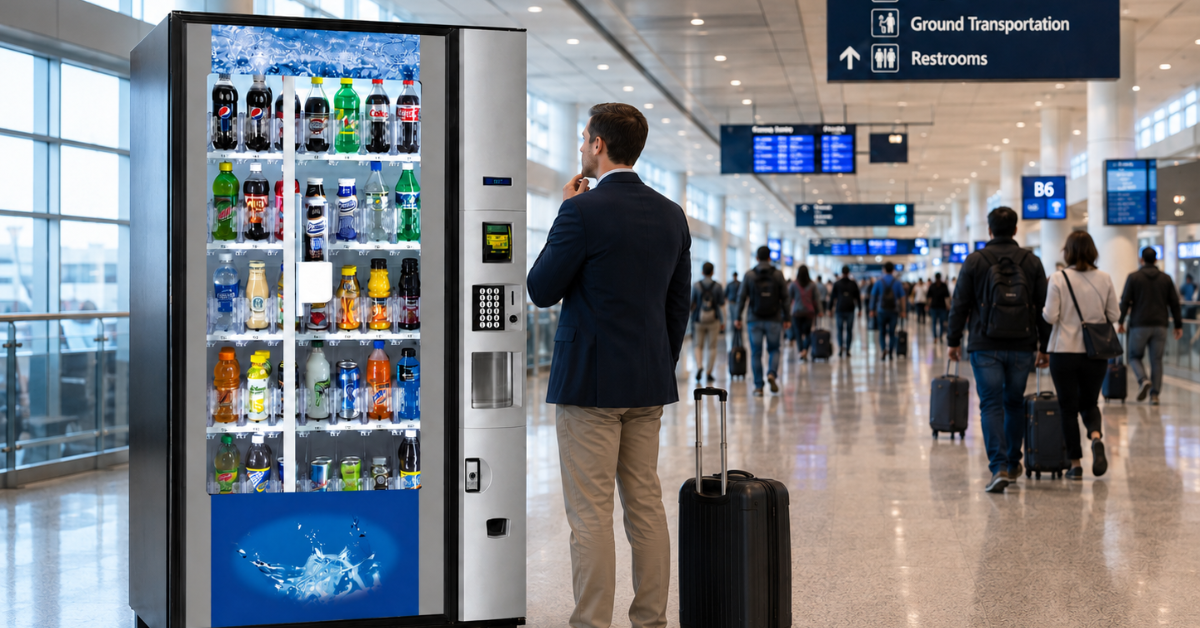
A vending machine needs to get noticed before it can make a sale. The right machine, in the right place, with the right look, can make that first impression count.
When you are ready to pick equipment that fits your location, customers, and sales goals, contact ASI for practical help from a team that knows vending machines, placement strategies, and what operators need.