

Choosing a vending machine based only on features or appearance is one of the most common mistakes buyers make. A machine may look impressive on paper, but if it does not match the location, performance suffers quickly.
The better approach is to start with the environment first. Traffic patterns, available space, customer behavior, and product demand all influence whether a machine succeeds in the long term.
If you want stronger results and fewer regrets, machine fit matters more than feature overload.
Why the Location Should Always Come First
Many buyers begin by comparing screens, payment systems, lighting, or product capacity. Those details matter, but they should come after evaluating where the machine will actually operate.
A vending machine placed in a busy office lobby has very different needs than one in a gym, an apartment complex, a school, or a manufacturing facility.
According to the National Automatic Merchandising Association vending industry resources, customer convenience and accessibility strongly influence machine usage and repeat purchases.
That means the “best” machine is usually the one that works naturally within the space, rather than the one with the most advanced feature list.
The Biggest Mistake Buyers Make
One of the easiest traps is choosing a machine because it looks modern or oversized.
A larger machine may seem like the safer investment, but bigger is not always better. In smaller or lower-traffic locations, oversized equipment can create problems such as:
- Wasted floor space
- Slower inventory turnover
- Higher power consumption
- Difficult customer flow
- Lower return on investment
Before selecting equipment, it helps to understand how different machine styles compare in real environments. Reviewing available options, such as combo vending machines, can help narrow down which options fit the location and expected demand.
Why Footprint and Traffic Matter More Than Extra Features
The physical footprint of a machine affects more than installation. It changes how customers interact with the machine throughout the day.
High-traffic locations often benefit from:
- Faster transaction flow
- Wider product visibility
- Multiple payment options
- Easy accessibility
Smaller or tighter locations may perform better with:
- Compact footprints
- Simpler inventory setups
- Lower energy consumption
- Easier servicing access
The U.S. Small Business Administration guidance on retail traffic flow highlights how customer movement directly impacts purchasing behavior.
A machine that interrupts traffic or feels inconvenient often gets ignored, regardless of how advanced it is.
What Gets Overlooked During Machine Selection
Buyers often focus heavily on the machine itself while overlooking the operational side of ownership.
Questions that matter include:
- How often will the machine need restocking?
- Is there enough clearance for servicing?
- Does the location support the machine’s power requirements?
- Will customers naturally stop near the machine?
- Is the product mix aligned with the audience?
Understanding these details early can prevent expensive adjustments later.
For example, businesses exploring snack vending machines should consider whether the location supports high-volume snack turnover or if a smaller mixed setup would perform better.
A Bad Fit Usually Costs More Later
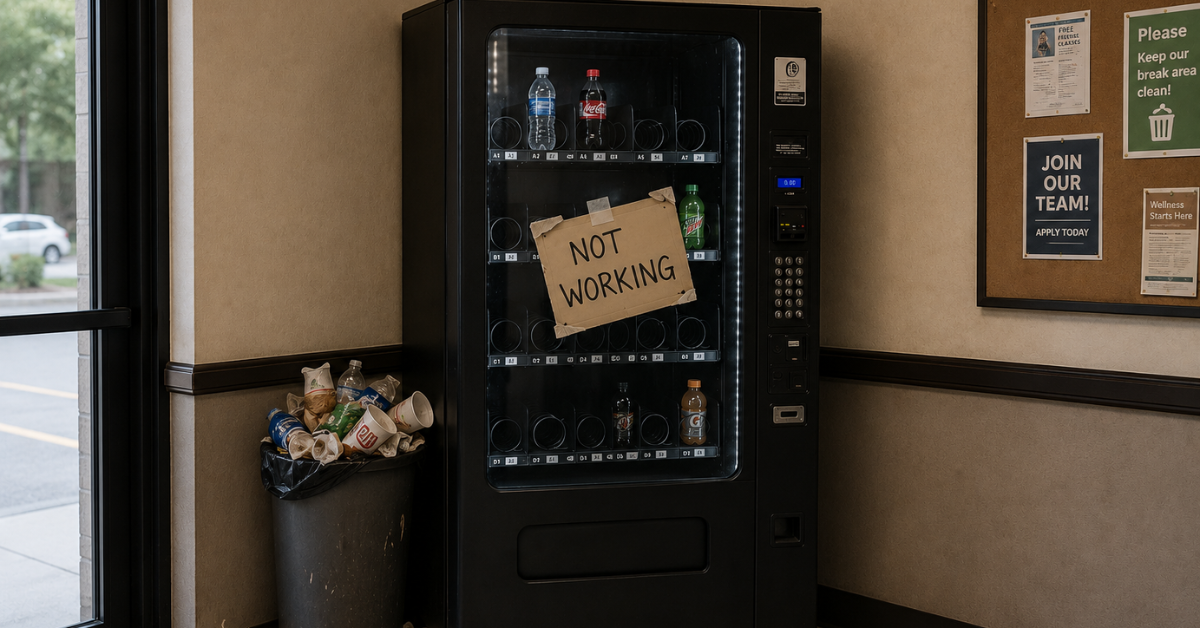
The wrong machine-location match creates issues that often appear slowly over time.
Common signs of poor machine fit include:
- Slow sales performance
- Overstocked inventory
- Customer frustration
- Reduced repeat purchases
- Increased maintenance concerns
Even premium machines struggle when installed in the wrong environment.
This article about the energy efficiency of vending machines stated that oversized or underutilized equipment can unnecessarily increase operating costs and reduce efficiency over time. Larger machines often require more power, more inventory, and more maintenance, even when the location does not generate enough demand to justify the added capacity.
A properly matched machine typically performs better because it supports both the customer experience and operational efficiency.
How to Narrow Down the Right Machine Faster
Instead of comparing every available feature, focus first on these core factors:
-
Location Size
Measure available floor space and servicing clearance before reviewing machine options.
-
Daily Traffic
Estimate how many people pass the machine consistently each day.
-
Customer Behavior
Understand whether customers are stopping briefly, waiting, studying, commuting, or exercising.
-
Product Demand
Choose a machine configuration that matches what customers are most likely to buy.
-
Maintenance Accessibility
Ensure restocking and repairs can be completed without disrupting the location.
Buyers who start with these fundamentals usually make better long-term decisions than those who begin with feature comparisons alone.
If you are still evaluating equipment options, reviewing different hot and cold vending machines alongside location requirements can make the process more manageable.
Why Expert Guidance Helps
Even experienced buyers can overlook important compatibility factors between machines and locations.
Working with an experienced vending supplier helps simplify:
- Machine sizing
- Product configuration
- Location compatibility
- Operational planning
- Long-term performance expectations
That guidance can reduce costly trial and error and help narrow down the right fit much faster.
Take the Next Step

Finding the right vending machine becomes much easier when you start with the location first. ASI helps businesses narrow down machine options based on traffic, footprint, customer behavior, and operational goals so you can avoid costly mismatches and make a more confident investment decision.
Ready to move forward with confidence? Contact ASI to find the right vending solution for your goals.