
Starting a small vending machine business is a good idea, but a great location alone will not protect your profits. To keep your business running and growing, set up a simple budget to manage your money and keep your earnings safe.
At ASI, we believe a vending route can be a steady source of extra income and long-term value if you use the right equipment, plan regularly, and set realistic financial goals.
A budget helps you understand the real costs of running your business before small expenses pile up. Once you learn the basics of managing your business finances, your machines become assets you can handle with confidence, not just boxes to refill.
Understand Your Start-Up Costs First
Before you install your first machine, know exactly what you are investing in. Your equipment is the base of your vending business, so it is important to choose wisely from the beginning.
Many operators opt for refurbished vending machines to keep start-up costs down while still getting reliable equipment. Buying a professionally refurbished machine can help you save money on inventory, setup, licenses, permits, payment systems, and other early costs.
Common Start-Up Costs to Plan For:
Your opening budget may include:
- Vending machine purchase or financing
- Initial product inventory
- Delivery, placement, or installation costs
- Card reader or cashless payment setup
- Permits, licenses, or local compliance requirements
- Basic tools, cleaning supplies, and spare parts
- Insurance, accounting, or business registration expenses
Each vending business has different start-up costs, so use this list as a guide, not a strict rule. Make sure you do not spend all your money on the machine, leaving too little to keep your business running well.
Plan for Recurring Vending Business Expenses
After your machines are up and running, watch your ongoing costs closely. Small expenses are easy to overlook, but they add up and can make your cash flow tighter than you think.
Managing your cash flow well means knowing how much you make, how much you spend, and how much you need to save for the next refill, repair, or new growth opportunity.
Restocking Costs
Inventory is often one of the highest ongoing costs in a vending machine business. Check your sales, product counts, and refill notes so you do not buy too many items that sell slowly.
If chips, candy, drinks, or fresh items are not selling well at one location, do not keep restocking them just because they sell elsewhere. Choose products based on what your customers actually want, not just your own guesses.
Maintenance and Repairs
Machines need regular care. Even the most reliable ones will sometimes need service, new parts, cleaning, or small repairs.
Put aside some money each month for maintenance so one repair does not ruin your whole budget. Regular maintenance keeps your machines running, and that matters because a machine that is not working is not making money.
Transaction Fees
Today’s vending customers want simple ways to pay. If your machine takes cards or mobile payments, make sure to include processing fees in your costs from the start.
Remember to account for transaction fees. They are a normal part of running your business and should be included in your pricing plan.
Utilities and Location Costs
If you use refrigerated snacks, drinks, cold food, or freezer machines, discuss with the location who will pay for electricity before you install anything.
Some locations include utilities in the agreement. Others may ask for a commission, a flat fee, or a different arrangement. Clear up these details early so your profit estimates are realistic.
Price Products with Profit in Mind
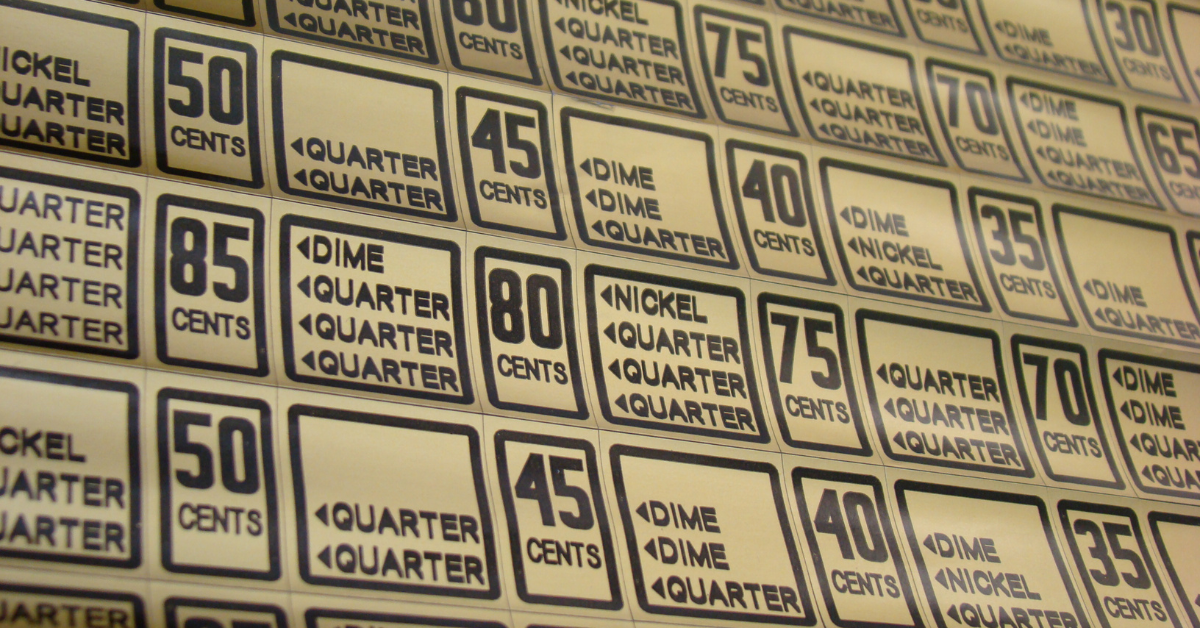
Set your prices to fit your location, customers, product costs, and expenses. What works in an office may not work in a school, gym, warehouse, hotel, or community center.
A quick pricing review can help you answer key questions:
- Which products sell quickly?
- Which items sit too long?
- Are card fees reducing margins?
- Are premium items priced correctly?
- Is the location supporting the product mix?
That is why tracking matters. When you keep an eye on your sales and inventory, you can adjust your prices based on real data rather than guessing.
If you serve mixed-use locations, combo vending machines can help you offer a more flexible product mix by letting you sell snacks and drinks from a single machine.
Keep Business Money Separate
An easy way to stay organized is to use a separate bank account for your business. Mixing personal and business spending makes it harder to see your actual profit, track costs, and maintain accurate records.
The IRS recordkeeping guidance explains that good records help business owners monitor progress, prepare financial statements, track deductible expenses, and support tax filings.
For a vending operator, that means keeping clear records of:
- Product purchases
- Machine repairs
- Fuel or mileage
- Payment processing fees
- Location commissions
- Equipment purchases
- Service calls
- Monthly sales totals
Good records make it easier to make smart decisions. They also help you see if your vending route is really growing or just keeping you busy.
Review Your Budget Monthly
Do not make your vending machine business budget once and then forget about it. Review it every month so you can spot trends early.
Look at your product costs, sales, machine performance, repair needs, and profit for each location. A busy spot is not always the most profitable if costs, commissions, or waste are too high.
What to Check Each Month
Review these areas consistently:
- Total sales by machine
- Cost of goods sold
- Gross profit
- Restocking frequency
- Slow-moving inventory
- Repair and maintenance costs
- Cashless payment fees
- Location commissions
- Net profit after expenses
This habit can help turn vending from a casual side job into a business you can manage, measure, and improve.
Reinvest Carefully as You Grow
Growing your business is exciting, but expanding too quickly can put pressure on your cash flow. Before adding another machine, make sure your current route is stable.
Ask yourself:
- Do I have enough cash in inventory for another location?
- Can I service another machine consistently?
- Do I have funds reserved for repairs?
- Is my current product mix profitable?
- Will this new placement improve the route or stretch it too thin?
Smart reinvestment is not just about buying more machines. It is about strengthening your route. This might mean upgrading payment systems, improving your machines’ appearance, trying higher-selling products, or choosing equipment that better fits the location.
Operators interested in newer unattended retail options may also want to explore BRITE by ASI™ Smart Coolers for locations where a smart-cooler experience meets customer demand.
Take the Next Step
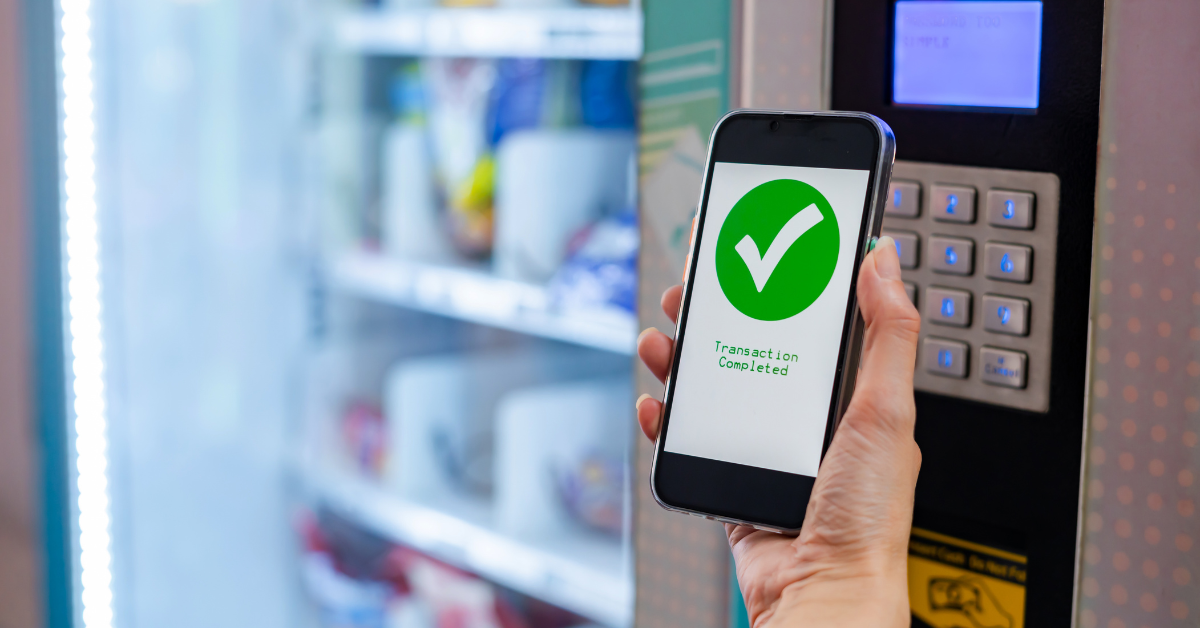
Strong vending cash flow comes from smart decisions, careful reinvestment, and choosing equipment that supports your goals from the beginning.
ASI does more than just sell machines. Our team helps operators with equipment selection, route planning, service needs, and long-term value so they can move forward with more confidence.
When you are ready to build a vending business with a stronger financial foundation, contact ASI to find vending equipment solutions that fit your budget, your location, and your growth plans.