Strong sales don’t always mean strong profits.
Strong sales don’t always mean strong profits. A lot of operators learn that the hard way: the numbers look great on paper, but the money doesn’t feel like it’s there when you need it. That’s because the real challenge usually isn’t revenue—it’s vending machine cash flow.
Cash flow becomes even more important when you’re adding locations, upgrading machines, or reinvesting in new placements. Growth is great, but it can also stretch your budget fast if the timing isn’t right.
What Cash Flow Really Means in a Vending Business
Cash flow is simply the money moving in and out of your business. According to Investopedia, positive cash flow gives a business the ability to meet obligations and reinvest for growth.
In vending, cash flow usually comes down to a handful of very real, very practical factors:
-
Equipment purchase and financing terms
-
Product costs and inventory turnover
-
Service frequency and route efficiency
-
Downtime caused by equipment failure
Control Expenses Without Slowing Growth
If you’re trying to improve vending business profitability, one of the quickest wins is getting control of your expenses—especially the ones that hit you upfront.
That’s why many experienced operators choose refurbished vending machines. Lower capital outlay helps preserve cash, which makes it easier to expand your route or simply stay steady through slower months.
View refurbished snack machines designed to support long-term ROI.
Route Management Has a Direct Impact on Cash Flow
Route management affects fuel costs, labor time, and inventory efficiency. And when routing is sloppy, expenses climb without revenue climbing with it.
Operators who protect cash flow tend to keep things tight and intentional. For example, they often:
-
Consolidate service stops geographically
-
Adjust service frequency based on sales data
-
Eliminate underperforming locations
Cutting unnecessary service visits keeps more cash available for growth.
Use Financing Strategically, Not Emotionally
Financing isn’t a weakness—it’s a tool. Used well, it can smooth cash flow and help you deploy machines faster without draining your reserves.
The U.S. Small Business Administration emphasizes planning repayment schedules in a way that aligns with how revenue is generated.
Explore in-house financing options that support sustainable growth.
Downtime Is the Silent Cash Flow Killer
Every hour a machine is down is money you don’t get back. Reliable equipment and proactive maintenance protect cash flow by keeping machines working the way they’re supposed to.
Logistics, installation quality, and equipment placement matter here too. If you haven’t already, review: Navigating vending logistics for heavy equipment.
Build Cash Flow With the Long Game in Mind
Maximizing cash flow isn’t about squeezing every dollar—it’s about making decisions that compound over time. Equipment choice, route planning, and service discipline all stack up into long-term vending ROI.
At ASI, we’ve helped operators make smarter investment decisions since 1997, with roots dating back to 1975. Our focus is reliability, professionalism, and sustainable growth.
Learn more about ASI’s experience.
Take the Next Step
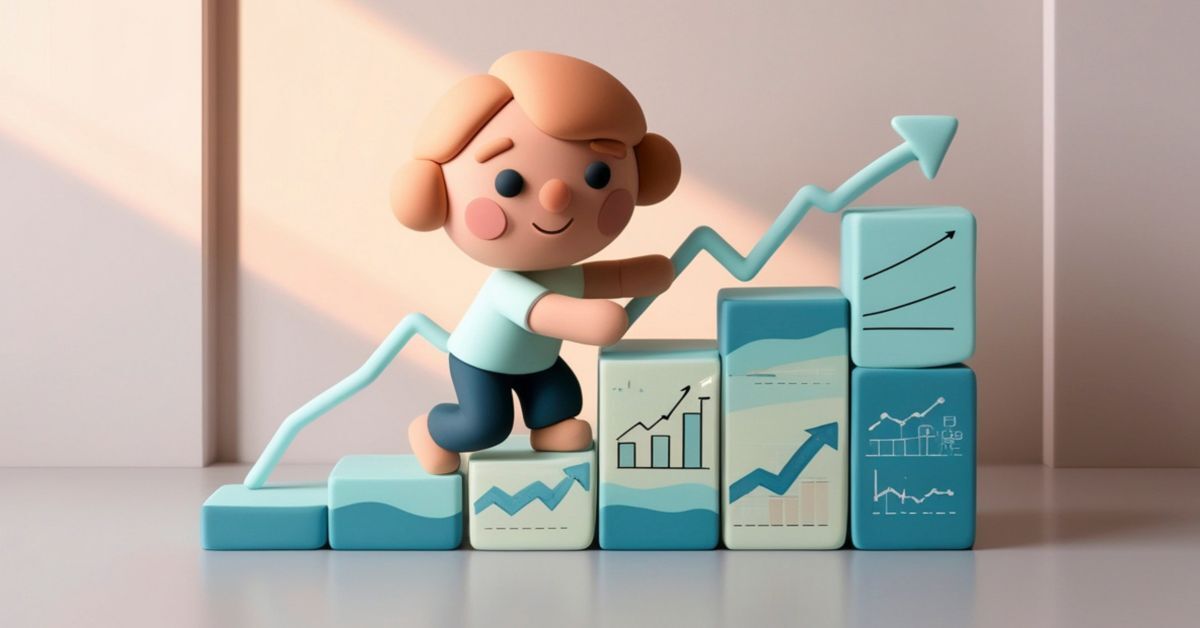
If you’re serious about improving cash flow, start by making sure your equipment and your strategy actually match your growth goals.
Strategic automation and aligned business goals drive measurable growth and long-term success.
See how to get started: How to order vending machines
Reduce cash strain with smart financing: Financing options