In entrepreneurship, vending is one of the few business models that can remain simple while still leaving room to scale. You can start small for side income, or treat it as a serious operation and build it into a full-time business. Either way, a well-planned vending route can create consistent monthly income and build resale value over time.
The most important change is in your mindset. Treat your route as an asset from day one. This way, you are not just running machines—you are building a system that someone else could manage or buy in the future.
At Automated Services International, we help vending operators look beyond just their first machine. With the right strategy, equipment, and daily habits, vending can become a scalable business with real value. Success often depends on being efficient, keeping good records, using reliable equipment, and having a clear goal before expanding.
Start With Market Research Before You Place Machines
Before setting up your first machine, learn about the location, who will use it, and what they want to buy. The U.S. Small Business Administration says that market research and competitive analysis help business owners understand their customers, competitors, and opportunities before making key decisions.
This is important in vending because each location is unique. For example, a busy factory in Gastonia might need different products than an office in Raleigh. One place may sell more energy drinks and salty snacks, while another does better with healthy snacks, bottled water, or breakfast foods.
Successful routes are built by making smart choices that fit each location, not by guessing.
Key Factors That Increase Vending Route Value
To run a profitable vending route, you need to do more than just place and refill machines. Operators who focus on demand, machine condition, regular service, and good recordkeeping usually see better monthly results and higher resale value.
Location Quality
Location is still one of the most important factors for vending success. Look for places with steady, reliable foot traffic, such as gyms, factories, offices, warehouses, schools, medical centers, and break rooms.
A good location can keep your machine earning for years, but a bad one can waste your time and money. Before choosing a spot, check how many people are there, how busy it gets, the hours, nearby food options, and if people really need easy access to snacks or drinks.
Customer Trends
Customers now expect simple ways to pay. The National Automatic Merchandising Association says that vending technology includes cashless payments, app-based ordering, and other tools that help operators serve people better. Not every machine needs every feature right away, but machines with credit card readers, mobile payments, and remote monitoring can make your route more efficient and appealing to buyers later.
Clear Location Agreements
Revenue-sharing deals can help you get good locations, but they must also be profitable for you. A fair agreement should let you earn money and give the property owner a reason to support your machine.
Write down the basics clearly: who owns and services the machine, how commissions are calculated, how long the machine will stay, and what happens if either side wants to end the deal. Clear agreements make your route look more professional and easier to sell later.
Scale With Equipment That Supports Growth
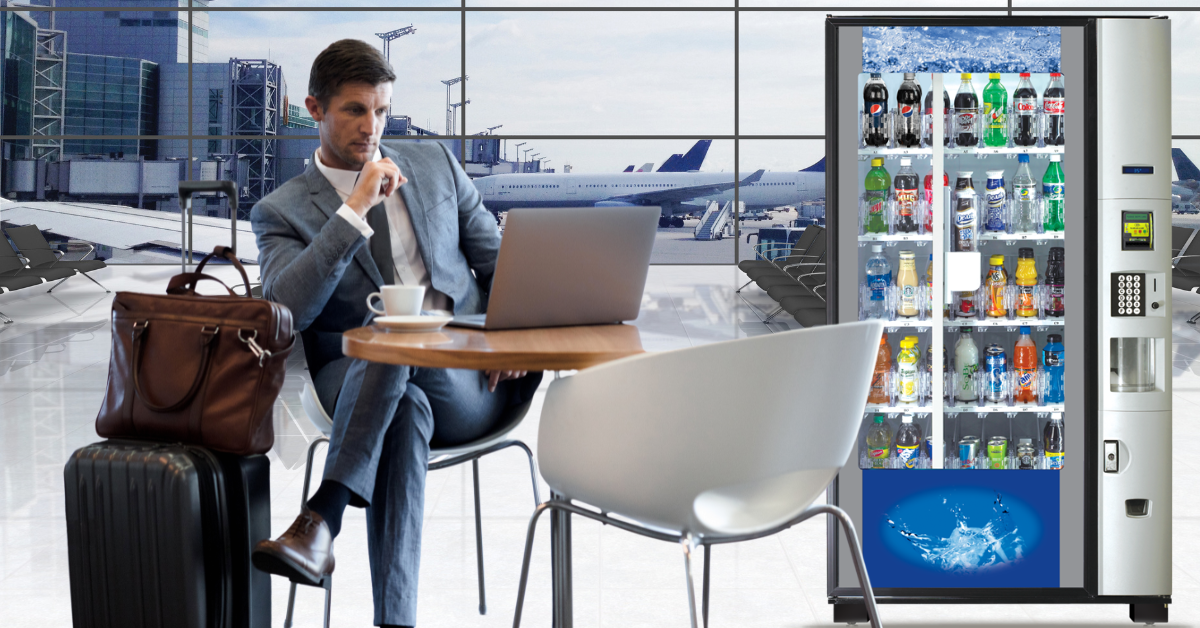
Your vending business relies on the quality of your machines. Reliable equipment means fewer problems, happier customers, and a smoother route.
Many operators grow faster by choosing refurbished vending machines instead of buying new ones. Professionally refurbished machines offer commercial quality at a lower price, so you can expand without overspending.
When buyers look at a route, they pay close attention to the machines. Clean, ready-to-use equipment with modern payment options makes the business easier to take over.
Features Buyers Like to See
A route is more appealing when the machines work well and run efficiently. Buyers usually look for:
- Credit card and mobile payment capability
- Remote inventory or sales monitoring
- Clean machine appearance
- Reliable refrigeration where needed
- Known machine brands and available parts
- Service records and maintenance history
This is why choosing the right equipment matters. A cheap machine that often breaks down can hurt your cash flow more than it helps. A reliable machine that keeps customers buying can support your route’s value long after you buy it.
Track Cash Flow Like a Business Owner
If your goal is to build a vending route with resale value, your records matter. Buyers want proof. They want to see revenue, cost of goods, commissions, repairs, fuel, processing fees, and net profit.
The IRS says that good records help business owners monitor progress, prepare financial statements, identify income sources, track deductible expenses, and support tax returns through proper small-business recordkeeping.
For vending operators, that recordkeeping also helps you make better decisions. You can see which machines deserve more attention, which products are moving, which locations are underperforming, and where your margins are slipping.
Prepare Your Vending Route for a Future Sale
Even if you do not plan to sell right away, build as if you might. A route with organized records, documented agreements, quality machines, and predictable service routines is easier for a buyer to understand.
Keep records that include:
- Monthly revenue by machine or location
- Product costs and gross margins
- Commission payments
- Service and maintenance notes
- Machine model and serial information
- Location agreements
- Payment system details
- Inventory patterns and best-selling products
When a buyer sees clean records, they are not just buying machines. They are buying peace of mind.
Build a Route That Can Run Without Guesswork
A vending route becomes more valuable when it is easy to operate. That means your process should be simple, repeatable, and documented.
Know when each machine is serviced. Track what sells. Keep parts and supplies organized. Use consistent pricing. Keep every location clean. These small habits make your business easier to manage now and easier to sell later.
If you are still choosing equipment, ASI offers vending options for different route needs, including snack vending machines for offices, schools, breakrooms, and other high-traffic locations. Matching the machine to the location is one of the simplest ways to improve both customer satisfaction and long-term performance.
Take the Next Step
Building a vending route with resale value takes planning, consistency, and the right equipment partner. You do not need to have everything figured out on day one, but you do need to make choices that help you grow instead of causing problems later.
Whether you are starting your first route or improving an existing one, ASI can help you choose equipment that fits your goals, location, and budget. When you are ready to move forward with confidence, contact ASI to explore vending solutions designed for long-term success.