
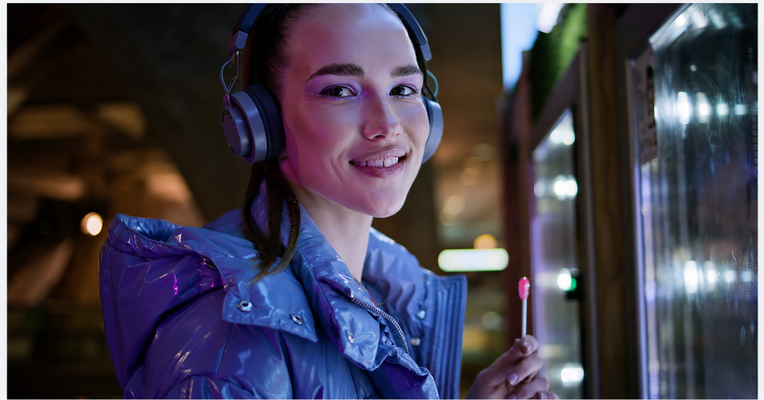
Vending machines now offer much more than just chips and soda. Operators are using them to sell items people need immediately, such as tech accessories, personal care items, wellness products, and local goods.
With the right location, unique vending machine ideas can help operators stand out, meet specific needs, and offer more value than a typical snack machine.
What Counts as Non-Traditional Vending?
Non-traditional vending means selling products beyond just snacks or drinks. Examples include phone chargers, earbuds, hygiene kits, travel-size toiletries, beauty products, laundry supplies, pet items, school supplies, and branded merchandise.
Health-focused places might do well with protein bars, electrolyte drinks, or wellness items. Hotels, airports, hospitals, and campuses often see more demand for emergency essentials and travel products.
Operators interested in specialty setups can look at ASI's custom vending machines, which offer layouts beyond the usual snack rows.
Why These Products Can Work
Non-traditional products often help with urgent needs. Someone with a dead phone, missing charger, or last-minute hygiene issue is not just browsing—they need a quick fix.
Research from the National Retail Federation shows that shoppers want convenience and quick access to products. This trend is driving greater demand for fast, easy buying options.
Choose the Right Machine for the Product
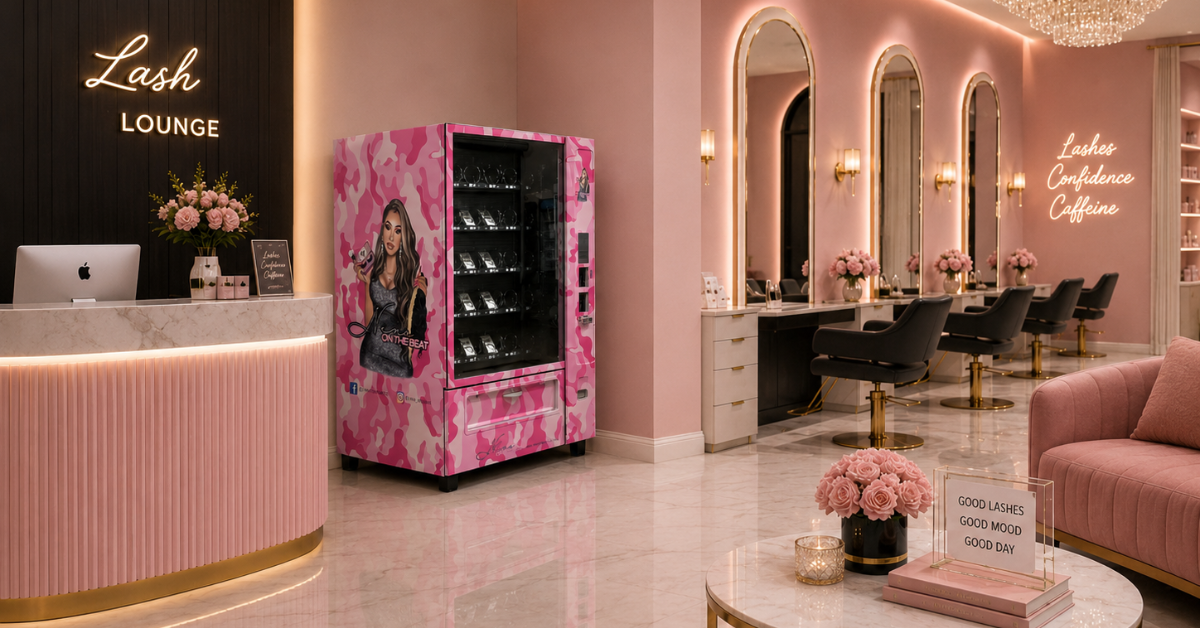
Specialty products might need different shelves, spacing, cooling, security, or display features. For example, a machine for electronics will need a different setup than one for fresh food or personal care items.
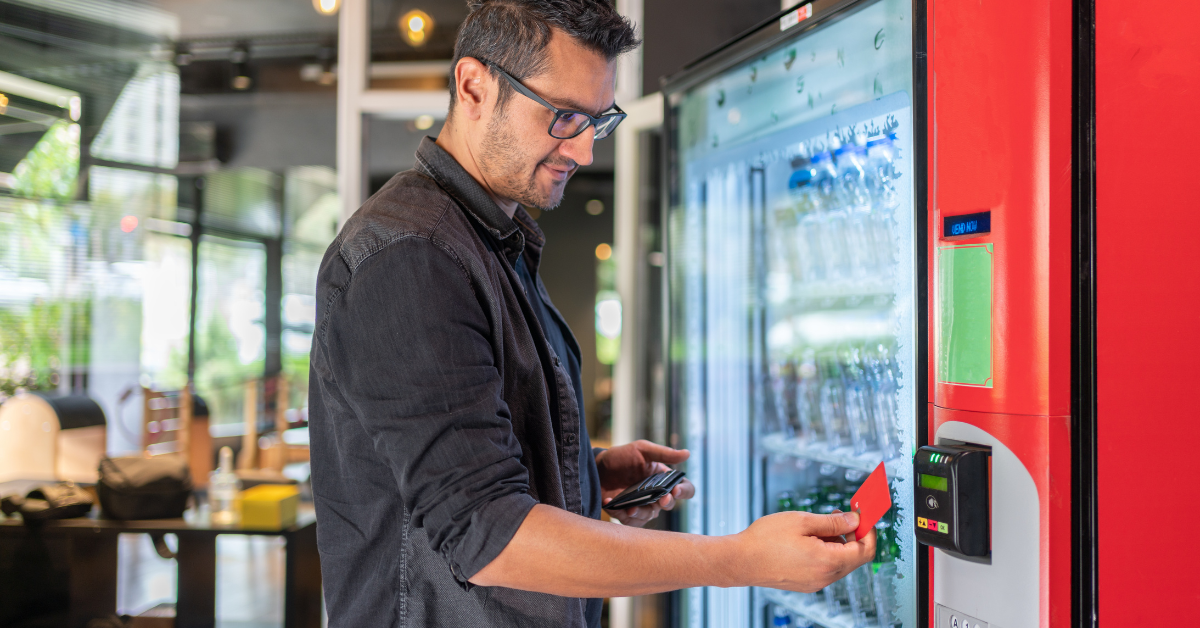
ASI's vending equipment page lets operators compare different types of machines, including snack, drink, food, and refrigeration options, as well as payment options.
If you want to offer chilled grab-and-go products, ASI's refrigerated merchandisers and coolers might work better than a regular snack machine.
Plan for Rules, Rotation, and Restocking
Some products need more planning than others. Perishable foods require temperature control and careful rotation. The FDA Food Code provides food safety guidance that operators should consider when selling refrigerated or prepared food.
For wellness, personal care, or specialty products, operators should review local regulations, labeling requirements, supplier reliability, and customer expectations before expanding.
Test Before You Scale
Begin with a mix of products that fit your audience. Gyms, hotels, schools, apartment complexes, and offices may all need different selections.
Keep track of what sells, what does not, and what causes service problems. The U.S. Chamber of Commerce's small-business resources emphasize the importance of planning, testing, and adapting as circumstances change. This is especially helpful for vending operators trying out new products.
Take the Next Step
Non-traditional vending is most successful when the product, location, and equipment fit well together. ASI can help you compare machines and plan a setup that matches your product strategy. If you want to turn a creative vending idea into a real plan, reach out to ASI for help.