Choosing unattended retail equipment involves more than comparing machine designs and features. Operators also need to consider product compatibility, location requirements, payment options, and long-term support.
Equipment displays offer a chance to explore different solutions, but the most important decisions often start with understanding how a machine will operate after installation.
Here are four considerations worth discussing before investing.
1. Match the Equipment to Your Products and Location
Not every unattended retail solution serves the same purpose.
Traditional vending machines can accommodate familiar snack and beverage formats, while smart coolers may offer a different purchasing experience for refrigerated grab-and-go products.
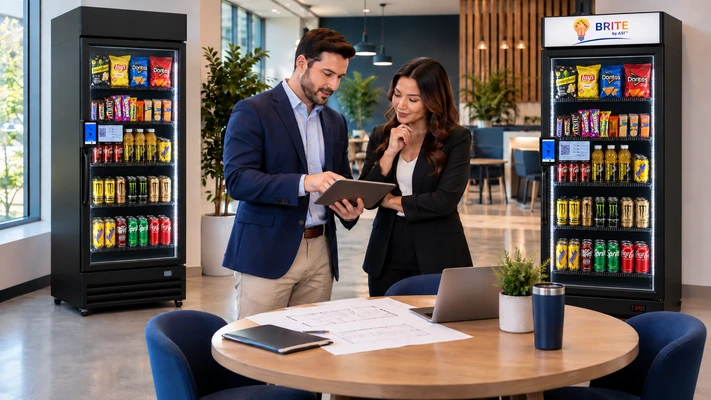
Operators comparing combo vending machines with BRITE by ASI™ Smart Coolers should evaluate their intended merchandise, available space, and customer purchasing habits.
Consider product dimensions, refrigeration needs, expected traffic, and restocking frequency.
2. Evaluate the Customer's Purchasing Experience
Convenience should extend from product selection through payment.
Customers need to identify merchandise easily, understand the purchasing process, and complete transactions without unnecessary complications.
For cashless equipment, operators should also consider payment security requirements. The payment system, processor, and equipment configuration can affect applicable security responsibilities.
A purchasing experience that works well for customers should also be manageable for operators.
3. Check the Installation Requirements
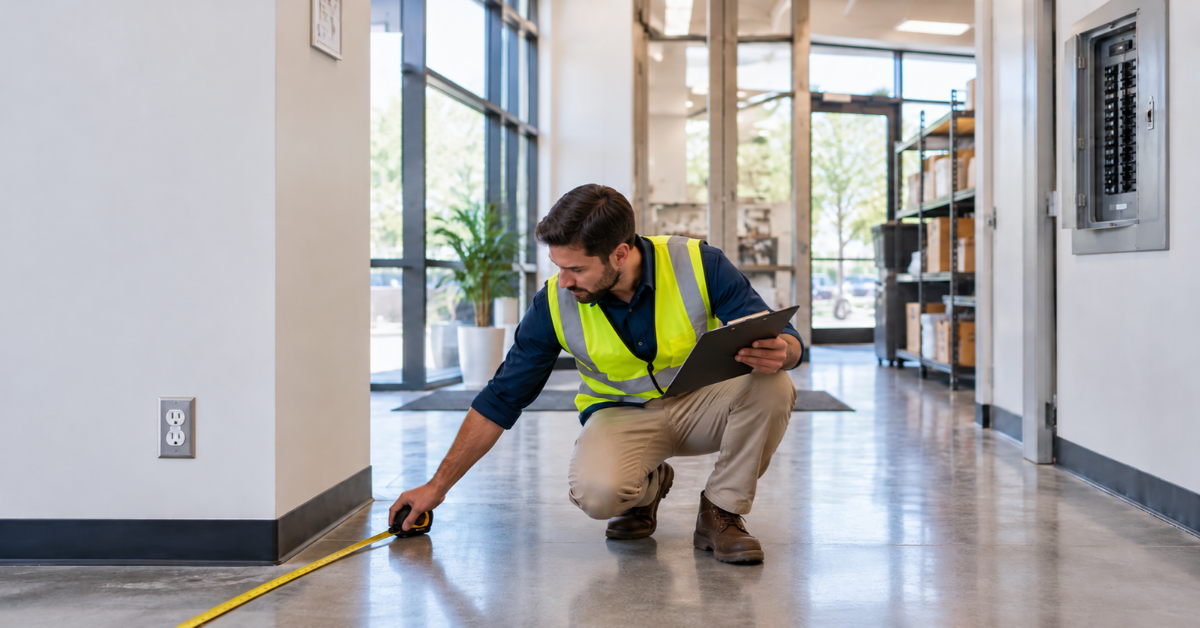
Equipment selection should account for the intended location's conditions.
- Measure available floor space, verify electrical requirements, and consider access for restocking and maintenance.
- For refrigerated beverage machines, energy efficiency matters because the equipment may run continuously.
- Operators should also assess accessible reach ranges and clear floor space when planning equipment placement.
These considerations are easier to address before installation than after equipment arrives.
4. Look Beyond the Machine to Supplier Support
A vending equipment purchase also creates ongoing operational responsibilities.
Before selecting a supplier, ask about replacement parts, warranty coverage, technical assistance, and equipment documentation.
For specialized merchandise, custom vending machines may be worth evaluating when standard configurations cannot accommodate the intended products.
Conversations with knowledgeable equipment professionals can help identify compatibility concerns and practical limitations before purchasing.
Take the Next Step

The right unattended retail equipment should fit your products, location, customers, and daily operating needs.
Automated Services International (ASI) helps operators explore refurbished vending machines, custom solutions, and BRITE by ASI™ Smart Coolers.
If you're comparing equipment options or planning a new location, discuss your requirements with the ASI team through this contact form.
People Also Ask
What should I consider before buying a vending machine?
Evaluate product compatibility, location traffic, dimensions, electrical requirements, payment options, maintenance, and supplier support.
Are smart coolers better than traditional vending machines?
Neither is universally better. Smart coolers may suit certain refrigerated grab-and-go applications, while traditional vending machines may better accommodate familiar packaged products.
Why is supplier support important for vending operators?
Supplier support helps operators understand equipment requirements, identify replacement parts, and address maintenance or compatibility questions.