
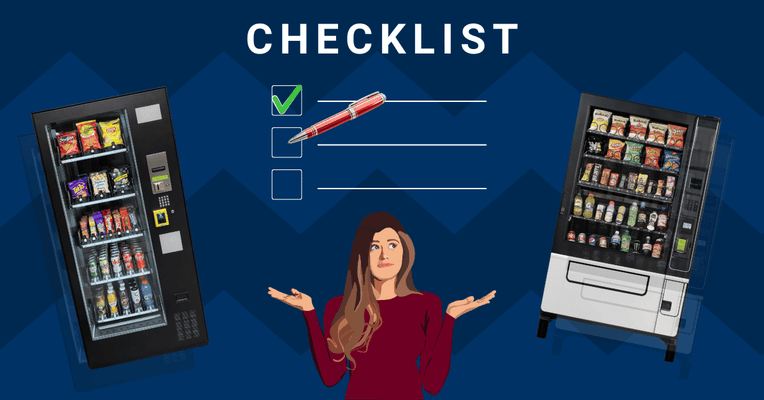
Used equipment can be a smart move when you know what to inspect first. A good deal should save money, support the location, and remain serviceable over the long term. That is the difference between buying a machine and buying a problem.
The most disciplined buyers do not start with price alone. They start with fit, payment readiness, cooling performance, service history, and parts support. That is the checklist that protects the investment.
Start With the Right Standard
Do not confuse a low price with a smart buy
The cheapest machine is not always the most economical machine. What matters is whether the unit is prepared to perform, fits the location, and can remain in service without becoming a repair cycle.
That is why it helps to compare used equipment against a clear condition standard before making a decision. ASI’s Price Categories & Warranty Info is a practical reference for evaluating condition, readiness, and long-term value.
Before you say yes to any used machine, ask three simple questions:
- Does it fit the account?
- Does it support the way customers pay?
- Can it be maintained without constant guesswork?
Check Payment Compatibility
Make sure the machine supports the setup your location needs
Payment compatibility should be one of the first things you verify. In today’s vending environment, cashless capability is often part of the baseline customer experience, not a bonus feature.
A machine may look like a great deal until you learn it needs additional hardware, rewiring, or board changes just to support the payment setup you planned to use. That is why smart buyers verify the validator, coin mech, reader compatibility, and control setup before talking themselves into the price.
If you are reviewing a specific model, pull the machine manuals early in the process. Manuals help buyers confirm model details, manufacturer support information, and key service references before committing to a unit.
Ask the seller to confirm:
- Current bill validator and coin changer
- Cashless reader compatibility
- Working display and keypad
- Successful test vend using the installed setup
Check Cooling and Performance
A refrigerated machine has to do more than turn on
If the machine is refrigerated, cooling performance is not a minor detail. It is a major part of the machine’s value. A used unit that looks clean but struggles to maintain temperature can lead to product loss, service calls, and customer complaints almost immediately.
Consistent cold performance matters for product quality and food safety, and refrigeration efficiency affects long-term operating cost. FDA materials describe the temperature danger zone as typically between 41°F and 135°F, and ENERGY STAR says that certified commercial refrigerators and freezers are, on average, 20 percent more energy-efficient than standard models.
During inspection, look for:
- Stable cooling performance
- Strong airflow and fan operation
- Clean condenser area
- Tight door seals
- No unusual compressor noise
- Even cabinet performance under normal use
Check Parts Availability and Service History
A used machine is only a deal if you can keep it running
A used machine should not leave you guessing about future repairs. Ask what has already been replaced, what has failed in the past, and whether the machine was pulled from service because of a real issue or simply rotated out.
Parts support matters just as much as the purchase price. If normal wear items or replacement components are hard to find, the machine becomes expensive the first time something fails. Browsing used vending parts is a practical way to gauge whether a model is likely to remain serviceable over time.
Pay close attention to the history of:
- Control boards
- Motors and vend assemblies
- Bill validators and coin changers
- Refrigeration components
- Recurring service issues
Inspect Before You Invest
See the machine work before you agree to the deal
Photos can help narrow your options. They should not close the sale.
A serious purchase of used machinery deserves a thorough inspection whenever possible. Power the machine on. Test the payment setup. Run a vend. Listen to the refrigeration system. Check the seals, display, and cabinet condition. Make sure the machine in front of you matches the description you were given.
Before buying, verify that the machine:
- Powers on cleanly
- Accepts payment as described
- Completes a successful test vend
- Holds temperature if refrigerated
- Matches the seller’s description
- Shows no obvious wiring, board, or structural issues
This is the step where experienced buyers separate a value purchase from a future service headache.
Take the Next Step

Used does not mean risky when you know what to inspect first.
The right, refurbished vending machine should reduce upfront cost without creating avoidable problems later. When payment compatibility, cooling performance, service history, and parts availability all check out, used equipment can be a smart and practical move for the right location.
Ready to move forward with confidence? Contact ASI to find the right vending solution for your goals.