
Buying your first machine is exciting. It’s also where many “vending horror stories” begin.
Not because vending is random.
Because people buy first… then try to figure it out after the money’s gone.
If you want a smarter start (and fewer expensive lessons), run your plan through these six questions before you commit. They’re simple on purpose—and they’ll save you from the most common first-machine mistakes.
1) Does it match my location’s demand?
A machine can be “good” and still be the wrong fit for where it’s going.
Before you buy, get specific:
- Who’s buying from it (employees, students, patients, warehouse staff)?
- Are purchases quick snacks, meal replacements, drinks, or a mix of these?
- Is demand steady day to day… or does it spike during breaks and shifts?
If you’re still learning how to spot a “good on paper” placement, Unlocking Success: How to Find the Perfect Locations for Your Vending Machines is a solid place to start.
For an outside perspective on how pros evaluate placement beyond “foot traffic,” review SBA business location considerations before you commit.
2) Are parts easy to find?
This question doesn’t feel urgent—until something fails and the machine is down.
Parts availability affects:
- downtime (how long you’re offline)
- service cost (how expensive the fix becomes)
- stress level (how many “emergency trips” you end up making)
A smart buyer chooses machines and components that are serviceable in the long term, not just “cheap today.” If you’re planning payment upgrades or replacements, it helps to understand what fits your setup (and what’s commonly used).
3) Is it cashless-ready?
Customers expect tap-to-pay now. Even locations that still accept cash usually prefer having the option.
“Cashless-ready” isn’t a buzzword—it’s compatibility. Before you buy, confirm the machine can support your payment goals without turning into a wiring project later.
If you want supporting data on the direction consumer behavior is going, the Federal Reserve Diary of Consumer Payment Choice is a helpful reference.
4) What warranty/support comes with it?
This is where many first-time buyers get burned.
A machine without clear warranty standards or support can cost you more than a higher-priced unit with a real process behind it. If you want to understand what’s included across categories, start with Price Categories & Warranty Info.
5) What’s been tested (payments + vend)?
This is the make-or-break question.
“Cleaned up” isn’t the same as tested. You want to know:
- Payments were tested (not just powered on)
- Vending was verified (not just “it should work”)
- Standards were followed consistently
If you don’t get clear answers here, you’re not buying a machine—you’re buying a mystery.
6) What’s my maintenance plan?
Maintenance isn’t only about repairs. It’s the routine that keeps your route predictable:
- keeping machines clean and dependable
- preventing avoidable downtime
- making sure payments work every time
- protecting your relationship with the location
If you plan for service up front, cash flow stays steadier, and the business feels way less stressful.
If you want a real-world industry reference on how service skills reduce downtime, NAMA Technician Training: Job Fundamentals is worth a look.
And if you ever need help getting a machine back online, parts support, or service guidance, Service Requests makes it easy to get the right help quickly.
The 30-second takeaway
If you only remember one thing, make it this:
A “smart start” happens when you know:
- The location fit is real
- The machine is serviceable
- The payments are compatible
- The unit has been tested
- You have a maintenance plan
That’s how you avoid expensive lessons.
Take the Next Step
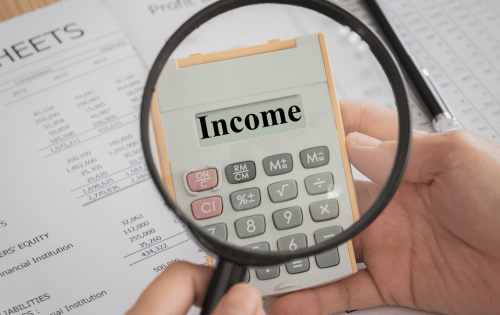
Tracking income and expenses helps vending operators protect cash flow and improve profitability.
Want us to sanity-check your first machine plan?
Start here so you know exactly what’s included, what to expect, and how to request a quote: How To Order Machines.
If you’d rather talk it through quickly, reach out here: Contact ASI.